Story · Fort History
Umerkot Fort: a 900-year history of the Sindh stronghold
Umerkot Fort was founded in the 11th century by Umer, the first king of the Soomra dynasty, and is the traditional birthplace of the Mughal emperor Akbar the Great (15 October 1542). For nine centuries it has stood at the edge of the Thar Desert in eastern Sindh, Pakistan — and today it is listed on UNESCO’s Tentative World Heritage List.
Understanding Umerkot Fort
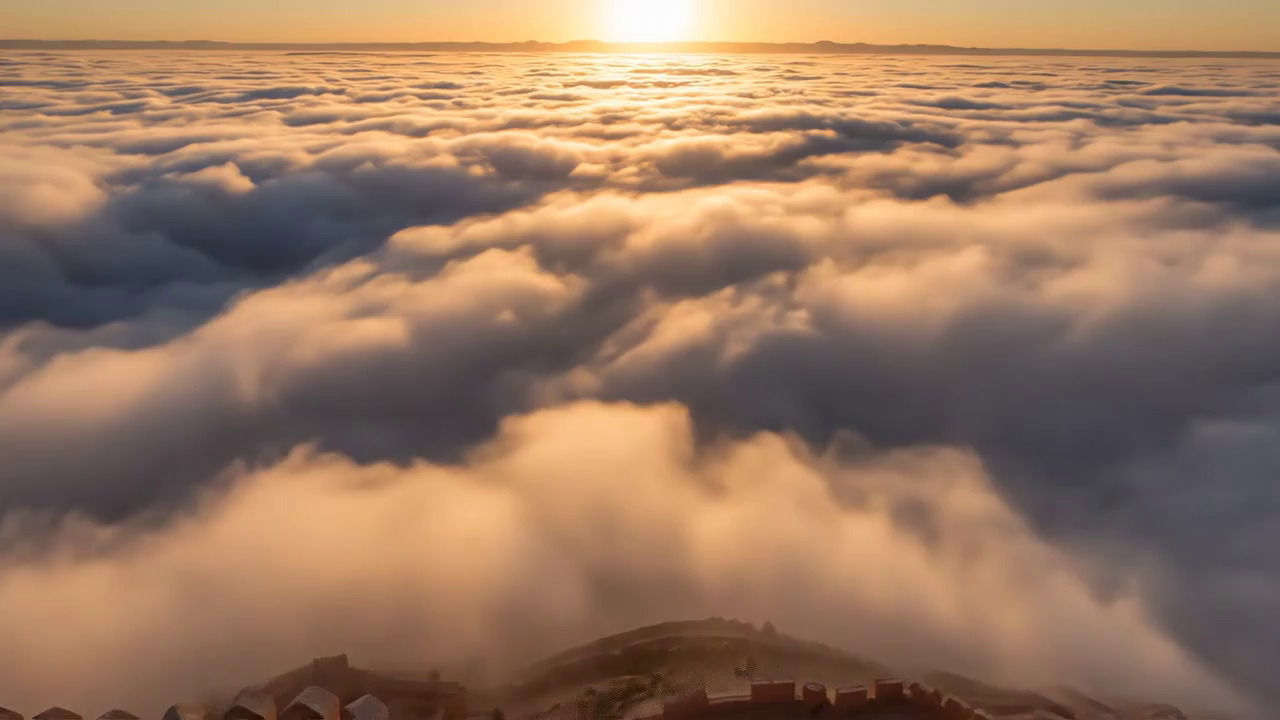
Umerkot Fort (also spelled Umarkot Fort, historically Amarkot) is a roughly rectangular desert fortress built of burnt brick laid in mud mortar, with earth-packed cores — a technique born of a region where stone is scarce. Its walls, originally about six metres wide and fifteen metres high, are crowned with semicircular bastions; an arched gateway opens on the eastern side, and a central watchtower commands the whole town. The fort measures approximately 946 by 785 feet, making it a rare surviving example of Rajput desert fortification in Pakistan.
The fort stands at the centre of Umerkot’s old town, in Umerkot District, eastern Sindh (25.36° N, 69.74° E) — the last substantial settlement before the Thar Desert opens east towards the Indian border. The district itself was carved from the eastern half of Mirpur Khas District in 2011.
The history of Umerkot Fort, dynasty by dynasty
Founding: Umer of the Soomra dynasty (11th century)
The fort was raised in the 11th century by Umer, the first king of the Soomra dynasty, who gave the city its name. The Soomras were the first Sindhi-speaking Muslim dynasty to rule Sindh after the Arab conquests, and Umer chose this sandy, defensible rise at the desert’s edge as his stronghold.
The Sodha Rajputs of Amarkot
For centuries after the Soomras, the fort was held by the Sodha Rajputs, a clan of the Parmar line who ruled the surrounding desert. Under the Sodhas the city was known as Amarkot. It was these rulers — above all Rana Prasad Sodha — who would hand the fort its place in world history.
1542: the birth of Akbar the Great
In 1542 the Mughal emperor Humayun, second of the dynasty and son of Babur, was a fugitive. His armies shattered by Sher Shah Suri, he crossed the Thar Desert towards Sindh and sought refuge with Rana Prasad Sodha. The Rajput ruler took the emperor in — and within the fort’s walls, on 15 October 1542, Hamida Banu Begum gave birth to a son: the boy who would reign as Akbar the Great, third Mughal emperor and one of the most consequential rulers of the subcontinent. A small pavilion within the fort, known locally as Akbar’s Tomb, marks the traditionally believed site of his birth.
Later dynasties: Kalhoras, Jodhpur, Talpurs, and the British
The fort did not rest after 1542. It passed through the hands of the Kalhora dynasty of Sindh, the rulers of Jodhpur, the Talpur dynasty, and finally the British — each power leaving its own layer in the walls. Unlike many Pakistani forts that fell to ruin, Umerkot Fort remained in continuous use as a seat of local government, which is why so much of its fabric survives.
Key facts at a glance
Fact sheet
- Founded
- 11th century CE, by Umer, first king of the Soomra dynasty
- Later rulers
- Sodha Rajputs, Kalhoras, rulers of Jodhpur, Talpurs, British
- Famous event
- Birth of Emperor Akbar, 15 October 1542
- Dimensions
- Roughly 946 × 785 ft; walls originally 6 m wide, 15 m high
- Construction
- Burnt brick in mud mortar, earth-packed cores
- Status
- UNESCO Tentative World Heritage List (ref. 6970)
- Location
- Umerkot old town, Umerkot District, Sindh, Pakistan
Why the fort matters today
In 2026 Umerkot Fort was added to Pakistan’s UNESCO Tentative World Heritage List alongside Kot Diji Fort and Naukot Fort — the necessary first step towards full World Heritage inscription. UNESCO describes the site as “a unique blend of folklore, desert resilience, and living heritage.” The folklore includes the great Sindhi romance of Umar and Marvi, in which the Soomra ruler Umar imprisoned the shepherd girl Marvi in the fort; her refusal to marry him became one of the most loved verses in Shah Abdul Latif Bhittai’s Shah Jo Risalo.
For the people of Umerkot, the fort is not a museum piece. Its walls remain part of the town’s daily life, and around them Hindu temples and Muslim shrines stand side by side — a living portrait of Sindh’s plural heritage, at the desert’s edge.
Frequently asked questions
Who built Umerkot Fort?
The fort was built in the 11th century by Umer, first king of the Soomra dynasty. It was later held for centuries by the Sodha Rajputs before passing to the Kalhoras, the rulers of Jodhpur, the Talpurs and the British.
Was Akbar really born at Umerkot?
Yes. By tradition and UNESCO’s own records, Akbar the Great was born at Umerkot Fort on 15 October 1542, while his father Humayun was sheltering with the Sodha ruler Rana Prasad. A pavilion within the fort marks the site.
Is Umerkot Fort open to visitors?
The fort stands in the centre of Umerkot’s old town and remains in active use; visitors can walk its grounds and see the pavilion of Akbar’s birth. Check locally for current visiting hours and entry arrangements.
Why is Umerkot Fort famous?
Two reasons: it is the birthplace of the Mughal emperor Akbar the Great, and it is the setting of Sindh’s most famous romance, the tale of Umar and Marvi. In 2026 it was added to UNESCO’s Tentative World Heritage List.
What is the history of Umerkot?
Umerkot’s recorded history runs from the 11th-century Soomra king Umer, who founded the fort and gave the city its name, through centuries of Sodha Rajput rule as Amarkot, the 1542 birth of Emperor Akbar, and later Kalhora, Jodhpur, Talpur and British administration — to its place today on UNESCO’s Tentative World Heritage List.
Why did Umerkot join Pakistan?
In 1947 the last Sodha ruler of Amarkot, Rana Arjun Singh, chose to keep his ancestral land and accede to Pakistan rather than migrate to India. Umerkot thus entered Pakistan as a Hindu-majority district — a decision still remembered across the region today.
Is Umerkot a Hindu-majority district?
Yes. According to the 2023 census, Hindus are about 54.7% of Umerkot District’s population, making it Pakistan’s only non-Muslim-majority district.
Sources
See the fort the way film sees it — frame by frame, wall by wall.
Watch the cinematic experience